

Xylo Bio's Neuroscience Newsletter January 2026
Decoding Resilience in Neuropsychiatry

Happy New Year from the Xylo Bio Team! The beginning of any new year often invites reflection on the months behind us and motivation to set fresh goals. For others, it may be a time to pause, recover, and then focus on staying afloat amid new demands. However the year begins, the ability to experience change, reflect on it, and adjust is a fundamental expression of resilience. In this month’s Neuroscience Newsletter, we explore resilience through the lens of neuroscience, psychiatry and translational science.
Science in Sixty Seconds
Decoding Resilience in Neuropsychiatry
Resilience is the ability to recover and adapt when life becomes difficult. Every person encounters adversity, from daily challenges to life-altering trauma. For most, the brain can adjust and regain balance. But in conditions like major depressive disorder (MDD), general anxiety disorder (GAD) and post-traumatic stress disorder (PTSD), extreme or prolonged stressors can overwhelm these adaptive systems, leaving individuals unable to recover.
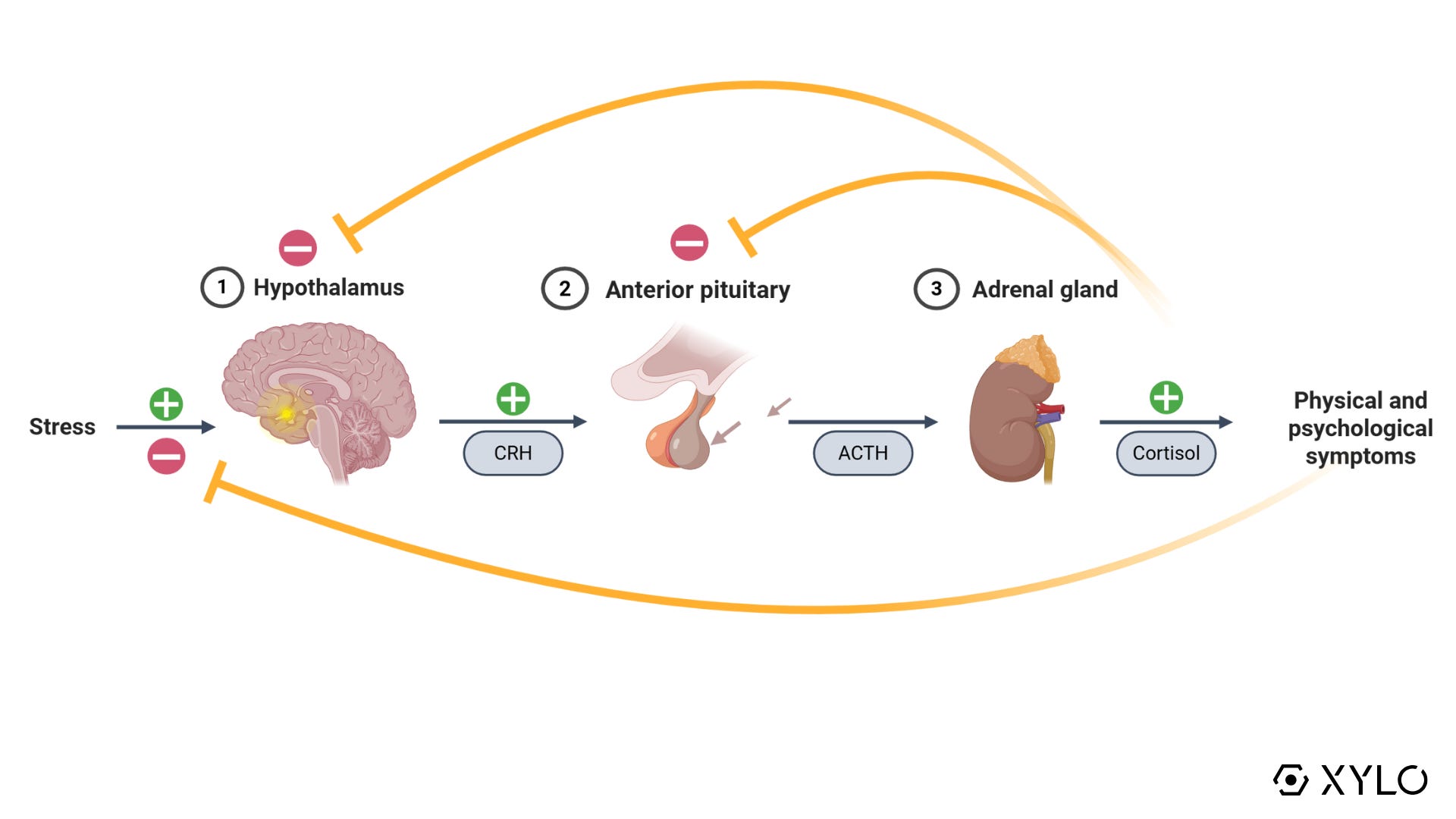
At the center of this response is the brain’s primary stress system, the hypothalamic-pituitary-adrenal (HPA) axis. When we face danger, this system releases cortisol to help the body adapt. Under healthy conditions, cortisol levels fall back to baseline once the threat has passed (Herman et al., 2016; see figure below made with BioRender). In MDD, GAD, and PTSD, however, stress becomes chronic, preventing this recovery and keeping cortisol persistently elevated – fueling many of the symptoms that disrupt daily function and well-being.
A critical question for neuroscience—and one that drives Xylo Bio’s mission—is why some individuals exposed to the same stress develop severe psychiatric symptoms while others remain resilient. Factors such as social support and coping strategies clearly contribute, but they do not fully explain these differences. To create truly effective treatments, we must understand the biological foundations of resilience in the face of stress.
Preclinical research has begun to illuminate these mechanisms. Animal models demonstrate that repeated stress exposure leads to distinct outcomes: some animals develop depression-like behaviors, including social withdrawal and anhedonia, while others remain functionally resilient (Seligman & Beagley, 1975). The repeated social defeat stress model, in particular, produces behavioral phenotypes with high face validity to MDD symptoms (Krishnan et al., 2007) and has been successfully translated to both male and female rodents (Harris et al., 2017), making it a valuable tool for studying the biology of resilience.
Building on this work, researchers – including Dr. Eric Nestler, a scientific advisor to Xylo Bio – have identified specific genes, neurotransmitters, and neural circuits that may be used as potential biomarkers or targets for resilience (Nestler & Russo, 2024).
While approaches in humans rely heavily on psychosocial questionnaires and clinical assessments (Marazziti et al., 2024), a growing body of research has begun to identify potential biomarkers, including:
Serotonin receptor polymorphisms (Mesquita et al., 2015),
Dopamine receptor genotypes (Sweitzer et al., 2013),
Brain connectivity patterns identified by MRI (Khudeish et al., 2024; de Vries et al., 2023; Hodel et al., 2015) and
Stress hormone profiles such as cortisol (Shao et al., 2023).
While the research is still emerging, it offers significant promise for defining biomarkers and functional readouts of resilience that can be directly targeted.
At Xylo Bio, we believe resilience should not be a matter of chance. As psychiatry moves toward precision medicine, our goal is to create first-in-class antidepressants that target biologically defined markers to drive durable neuroadaptive outcomes.
XYLO BIO UPDATES:
The Science:
We are closing in on finalizing our Clinical Advisory Board as we gear up for our IB submissions and first-in-human studies this year!
Scientific Leadership
Dr. Bryan Roth has joined the team as an advisor, providing expertise in GPCR biochemistry and pharmacology. Check out this exciting Targeted Neuro Talk with our CSO Dr. Sam Banister:
Collaborations and Thought Leadership
Co-founders Josh Ismin and Dr. Sam Banister ended 2025 by attending the Endless Frontiers Program, where they received mentorship from notable biotech and pharma veterans. Our lead mentor is Sharon Mates, founder and CEO of Intracellular Therapies (sold to Johnson and Johnson last year for ~$14B).
Xylo Bio advisor, Dr. Alex Kwan, had an exciting paper published identifying network-specific effects of psilocybin that influence neuroplasticity. Read it here.
Xylo Bio Head of Communications, Dr. Alaina Jaster, had a review published on phenethylamine, DOI, and its importance as a research tool. Alaina will be presenting at the International Society for Research on Psychedelics (ISRP). Read the review here.
Coming Up:
You can find members of the Xylo Bio team at some of the top conferences in neuroscience, technology drug discovery and healthcare.
J.P. Morgan Healthcare Conference (San Francisco, USA, January 12-16) – Josh Ismin (CEO), Samantha Tabone (Director of Business Development), and Jack Nguyen (VP of Research & Development) are attending.
American College of Neuropsychopharmacology Annual Meeting (Paradise Island, Bahamas, January 12-15) – Sam Banister (CSO) will be attending.
Psychedelic Therapeutics and Drug Development Conference (New Orleans, USA, February 26-27) – Sam Banister (CSO) will be speaking.
International Society for Research on Psychedelics (ISRP) (New Orleans, USA, February 27-March 1) – several Xylosiders will be attending.
Photos
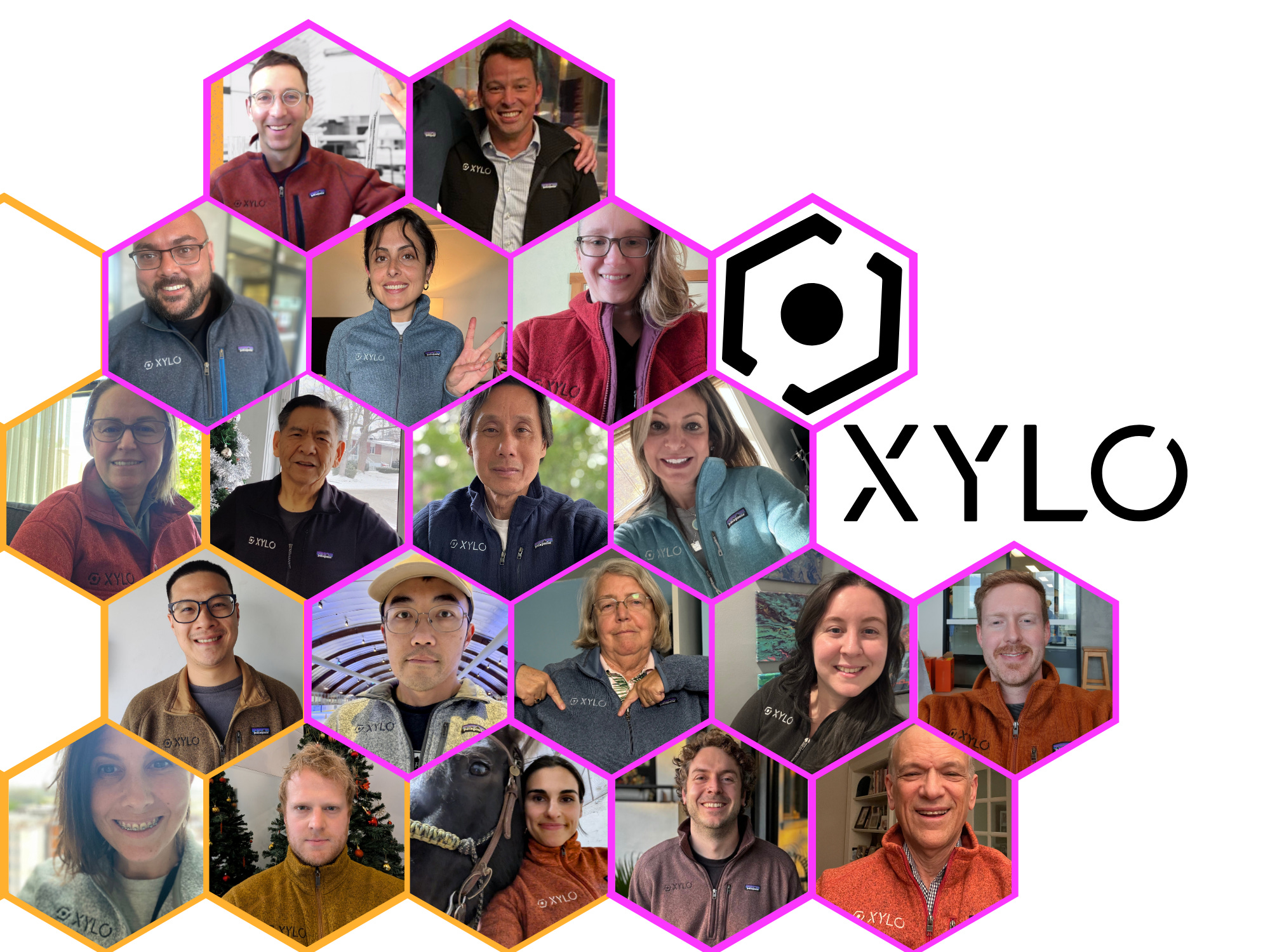
You can see members of our team (some not pictured) rocking their new Xylo Bio merch. Instead of buying brand-new items from some cheap vendor, we sourced our gear from Patagonia Worn Wear, giving high-quality pieces a second life. Every item was hand-selected in excellent condition — so good that Patagonia themselves couldn’t tell the difference between these and brand-new stock.
This approach is part of our ongoing effort to reduce corporate waste and make ecologically and financially sustainable choices. By choosing Worn Wear, we lower our footprint, support circular economy models, and still get high-quality, long-lasting gear we can be proud to wear.
What a great way to show our Xylosider pride! 🌎✨
RESEARCH UPDATES: Science Shaping the Future of Neurotherapeutics
This month’s emerging literature demonstrates the same principles driving Xylo’s strategy: mechanism-guided design, rigorous biological investigation and clinically scalable innovation.
Preclinical Research
Former antidepressant α-Ethyltryptamine has dual serotonergic mechanism| α-Ethyltryptamine (AET) is a tryptamine that was used as an antidepressant in the 1960s before being withdrawn for toxic effects. Given its structural similarity to psychedelics, it was characterized for its pharmacological activity. While all isoforms displaced ketanserin, only S(+)-AET elicited weak partial agonist activity in calcium mobilization assays. All isoforms produced 5-HT2A-dependent effects in head twitch response. Fluoxetine pretreatment abolished AET-HTR but did not affect DOI-HTR, suggesting a serotonin transporter mechanism. ACS Chem. Neuro.
Photochemistry transforms amino acids into 5-HT2A receptor ligands| This article explores UV light-induced cyclization as a process to synthesize active, ring-constrained tryptamine analogs. The methodology uses a radical spin-center shift that results in functionalization of the indole ring at the C4 position. Amino acids were transformed into azocinoindoles and tested in silico and in vitro. These chemicals showed full and partial agonism at 5-HT2A Gq pathways and suppressed head twitch response. J. Am. Chem. Soc.
Snapshots of MOR activation provides insight into GPCR conformational dynamics | Researchers used high-speed cryo–electron microscopy to capture non-equilibrium intermediate snapshots of how different efficacy opioid drugs activate the μ-opioid receptor (MOR) Gi pathway. They show that ligand efficacy correlates with receptor conformational dynamics – specifically TM helices 5 and 6 – and with differential occupancy of G-protein activation intermediates. The data support a model in which partial agonists stabilize a kinetic “trap” that slows G-protein activation and dissociation, whereas high-efficacy agonists promote rapid progression through the activation pathway. Nature.
IP1 detection as a method for characterizing 5-HT2A receptor stimulation |Serotonergic agonists are known to activate the 5-HT2A receptor but their downstream engagement of canonical or non-canonical pathways are elusive. Researchers have identified an ex vivo platform to assess 5-HT2A receptor engagement of the canonical Gq pathway through quantifying downstream inositol monophosphate accumulation in the mouse brain. The method was validated in wildtype and 5-HT2A receptor knockout mice and several substances were characterized. ACS Chem. Neuro.
Serotonin 1B as a potential target for psilocybin’s behavioral effects |The effects of psilocybin and its active metabolite psilocin are often assessed in the context of 5-HT2A receptor activation, but other serotonin receptor subtypes are involved in behavioral regulation. This study assessed 5-HT1B receptors after psilocybin and found mice lacking the receptor exhibited altered brain-wide activity and had reduced long-term improvements in behaviors related to anhedonia and anxiety after psilocybin. The authors also identified specific neural circuits through which 5-HT1BR may influence these responses. Mol. Psychiatry.
TAAR1 agonists may exert some protective effects in PTSD behaviors |Trace amine-associated receptor 1 (TAAR1) is a Gs and Gq coupled GPCR that is expressed in peripheral organs and the brain. Agonists of TAAR1 have been shown to have some efficacy in animal models of anxiety-like behaviors seen in PTSD. The authors found that a TAAR1 agonist reduced anxiety-like behavior and decreased serotonin levels in the hippocampus and dopamine concentrations in the striatum while increasing brain derived neurotrophic factor in the striatum. Biomedicines.
Clinical Research
Psilocybin-assisted therapy for methamphetamine disorder | Many psychedelic clinical trials have focused primarily on depression and related indications. Few studies have assessed substance use disorders, and those that have focused are focused on tobacco or alcohol. In this single arm, open label pilot study, participants (n=15) received a single dose of 25 mg oral psilocybin in combination with preparatory and integration sessions. Methamphetamine use and craving was observed to be lower, while quality of life was reported to increase at 28- and 90-day follow up with no serious adverse events reported. Addiction.
Hippocampal volume changes correlate with depressive symptoms and SSRI use | Selective serotonin reuptake inhibitors (SSRIs) like escitalopram promote neurogenesis in the hippocampus but the relationship between neuroplasticity and treatment outcomes hasn’t been determined. The authors investigated this relationship and found responders had increased hippocampal volume in both the left and right hemispheres. Further, volume changes in the right hippocampus correlated with core depressive symptoms. This study may provide insight into biomarkers related to therapeutic outcomes. Transl Psychiatry.
Antidepressant switching patterns and predictors in youth | Some patients with major depressive disorder undergo multiple trials of medication before finding one that manages their symptoms. In a retrospective cohort study of children and adolescents (n=44,381), the authors found most patients started on fluoxetine and 15% of the sample switched to a different antidepressant within the first 12 months. In addition, they found female patients, those starting antidepressants other than fluoxetine, and concurrent anxiolytic users were more likely to switch. Paediatric and Perinatal Epidemiology.
Resting-state brain activity can provide insight into antidepressant treatment | Investigations into biomarkers related to depression and subsequent treatment are increasing. This meta-analysis analyzed coordinate-based resting state fMRI data and the relationship with behavioral, genetic and neurotransmitters in medicated and non-medicated patients. Among medicated patients the left striatum – associated with memory and perception – had increased activation. Additionally, associations with 5-HT1A/5-HT2A and dopamine D1/D2 were reported. Psychol Med.
Sex differences in adverse drug reactions to antidepressants | Women are reported to have a higher prevalence of depression diagnoses and antidepressant use, but the differences in adverse drug reactions (ADRs) across sexes is poorly understood. This 24-year long study assessed over 150,000 female and over 92,000 male psychiatric inpatients. They found women had higher incidence of ADRs compared to men, specifically related to edema, skin allergies, and low sodium. Men had higher incidence of sexual dysfunction. These results provide a better understanding of response to pharmacotherapies. Naunyn-Schmiedeberg’s Arch Pharmacol
Post-mortem brain analyses reveals distinct monoaminergic interactions in schizophrenia | Researchers have been investigating the biological underpinnings of schizophrenia for several decades. While the monoaminergic systems are thought to be heavily involved, their interactions with each other and their metabolites are poorly understood. This study identified several interactions between serotonin, dopamine and norepinephrine in the dorsolateral prefrontal cortex and hippocampus. Specifically, they found interactions between serotonin and DOPAC, a significant metabolite of dopamine, in both regions. Schizophrenia (Heidelb).
Editorials and Reviews
The utility of 2,5-dimethoxy-4-iodoamphetamine for the study of serotonin 2A and 2C receptors | This article reviews decades of studies featuring the phenethylamine 2,5-dimethoxy-4-iodoamphetamine and implications of scheduling this substance as schedule I in the United States. The authors focus on important findings related to distribution of 5-HT2A and 2C receptors, in addition to mechanisms of psychedelic action in a variety of behavioral models. Further, they highlight additional 5-HT2A selective compounds that can be used for research when DOI is scheduled. Mol. Pharm.
Advancing CNS Drug Development: the Transformative Role of Neuroimaging in Translational Medicine | The authors reviewed many recently approved oral small-molecule drugs and found that, even though drug developers often aim for once-daily low-dose regimens, a large fraction of new drugs end up requiring multiple daily doses. This could be due to high clearance, strong binding to blood proteins, or low oral bioavailability. They argue that to find and develop safe, effective oral medications, drug-discovery scientists should be more flexible and realistic about what “good” pharmacokinetics can look like, instead of insisting on overly narrow criteria that may exclude otherwise useful compounds. Regen. Eng. Transl. Med.
Mapping ligands for MT1/MT2 and 5-HT2C receptors: Chemotypes, SAR, and polypharmacology | Serotonin and melatonin are closely linked brain chemicals, with serotonin acting as the crucial building block for conversion to melatonin. This review gives a comprehensive overview of agonists at the melatonin MT1 and MT2 receptors, as well as the 5-HT2C receptors, with a special focus on structure-activity-relationships and shared pharmacophores. The authors provide insights into pharmacomodulation that influences selectivity and further drug discovery. Drug Discov. Today.
How basic neuroscience has paved the path to new drugs | Recently there has been speculation about the translational potential of various preclinical models in neuroscience. In this editorial, the author discusses examples of medication that has gone from basic research all the way to humans, including zuranolone for postpartum depression, suzetrigine for pain, and the gepants class of migraine medicines. They also talk about pitfalls in the field and where to go from there. The Transmitter.
Clinical Trial Registrations
Below we highlight some of the newer clinical trial registrations via clinicaltrials.gov.
100 mg MDMA + Massed Prolonged Exposure Therapy | Post-Traumatic Stress Disorder (N=95) |MDMA-Assisted Massed Exposure Therapy for PTSD | Sponsor: Jessica Maples-Keller, Emory University | NCT07288151
Observational Study |Major Depressive Disorder| Neurobiological and Genomic Predictors of Relapse in Depression (MDD) | Sponsor: Mehmet Kemal Arikan, Uskudar University | NCT07328373
MSP-2020 |Healthy Volunteers (N=19) | A Brain Imaging Study to Assess the Binding of MSP-2020 to Serotonin 5-HT2A Receptors in Healthy Male Adults | Sponsor: Otsuka Pharmaceutical Development & Commercialization, Inc. | NCT07329621
SP-101 |Healthy Volunteers (N=80) | First-In-Human (FIH), Single Ascending Dose (SAD) Study and Multiple Ascending Dose (MAD) Study of SP-101 Injection | Sponsor: Synphatec (Shanghai) Biopharmaceutical Technology Co., Ltd. | NCT07334249
Jump back to:
Science in Sixty Seconds – Exploring the last year of neurotherapeutics
Xylo Bio Updates – Company news, progress, and highlights
Research Updates – Summaries of recent studies shaping the field
Thanks for reading Xylo Bio’s Neuroscience Newsletter! Subscribe to stay informed.